
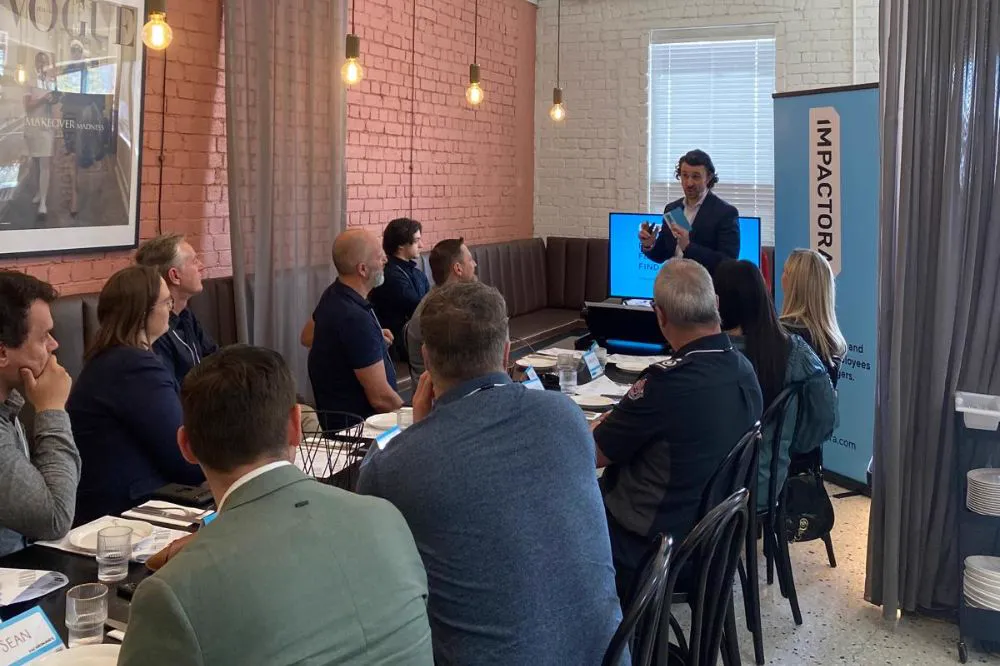
George Liberopoulos
Technology has always been the growth engine room of modern business. But the expectations placed on IT teams have shifted dramatically. No longer is it enough to “keep the systems running in the background”. Today, organisations want IT leaders who can sit at the planning and strategy table.
This shift has given rise to the IT Business Partner, a role that bridges the gap between technology delivery and business outcomes. It’s a position that demands more than technical expertise; it requires commercial awareness, stakeholder influence, and strategic thinking.
From Support Function to Strategic Advisor
For years, IT was seen as a cost centre. A necessary function that kept infrastructure running, managed tickets, and rolled out updates. But digital transformation has changed everything.
Business leaders now recognise that technology decisions are business decisions. Choosing the right platform, investing in automation, or improving cybersecurity all have direct implications for growth, risk, and competitive advantage.
This evolution means IT professionals are no longer just technicians. They’re advisors who help shape how an organisation operates and competes.
What Is an IT Business Partner Today?
An IT Business Partner is someone who works closely with business units to understand their challenges, translate them into technology solutions, and ensure that IT investments deliver measurable value.
Key responsibilities include:
- Understanding the strategic goals of the business units they support
- Identifying opportunities for technology to solve business problems
- Communicating complex technical concepts in business terms
- Building trusted relationships with senior stakeholders
- Aligning IT roadmaps with organisational priorities
This role requires a blend of technical knowledge, business acumen, and interpersonal skills.
Why IT Business Partnering Matters Now
Several forces are driving the demand for IT Business Partners:
- Digital Transformation: Every organisation is on a digital journey. IT leaders need to guide that journey, not just execute it.
- Data-Driven Decision Making: Business leaders expect insights from data. IT must partner with them to deliver analytics that inform strategy.
- Cybersecurity Concerns: With rising threats, IT must communicate risk in a way that enables informed decisions at the board level.
- Agile and Hybrid Work: The way teams work has changed. IT must enable collaboration and productivity across distributed teams.
Building Credibility as an IT Business Partner
Credibility is the foundation of influence. Without it, even the best ideas will struggle to gain traction. Here are ways IT professionals can build credibility:
- Speak the language of business: Frame technology recommendations in terms of revenue, risk, and customer impact, not just technical specifications.
- Deliver on promises: Reliability builds trust. Follow through on commitments and be transparent when challenges arise.
- Stay curious: Understand the industry, the competition, and the pressures facing your business stakeholders.
- Be proactive: Don’t wait for requests. Bring ideas and insights that anticipate future needs.
Fostering Alignment Between IT and the Business
Misalignment between IT and business units is a common frustration. IT may feel underappreciated while business teams may feel technology doesn’t meet their needs. IT Business Partners play a crucial role in closing this gap.
Strategies for fostering alignment:
- Hold regular check-ins with business leaders to understand evolving priorities
- Create shared goals and metrics that both IT and business teams are accountable for
- Involve business stakeholders early in technology projects to ensure buy-in
- Translate IT initiatives into outcomes that matter to the business
Influencing Decision-Making
IT Business Partners often need to influence decisions without direct authority. This requires building relationships, presenting compelling cases, and understanding what motivates stakeholders.
Key influencing skills:
- Active listening: Understand concerns before proposing solutions
- Storytelling: Use narratives and examples to make recommendations memorable
- Empathy: Recognise the pressures and constraints facing decision-makers
- Patience: Change takes time. Build momentum through small wins
Preparing IT Leaders for the Future
The IT Business Partnering role will only grow in importance. As technology becomes more central to every aspect of business, organisations will need IT leaders who can bridge technical expertise with strategic thinking.
For IT professionals looking to grow into this role, the path forward involves developing commercial awareness, strengthening communication skills, and building relationships beyond the IT function.
Programs like the Business Partnering Impact Program offered by Impactology provide structured development to help IT professionals make this transition, equipping them with the frameworks and confidence to lead with impact.